


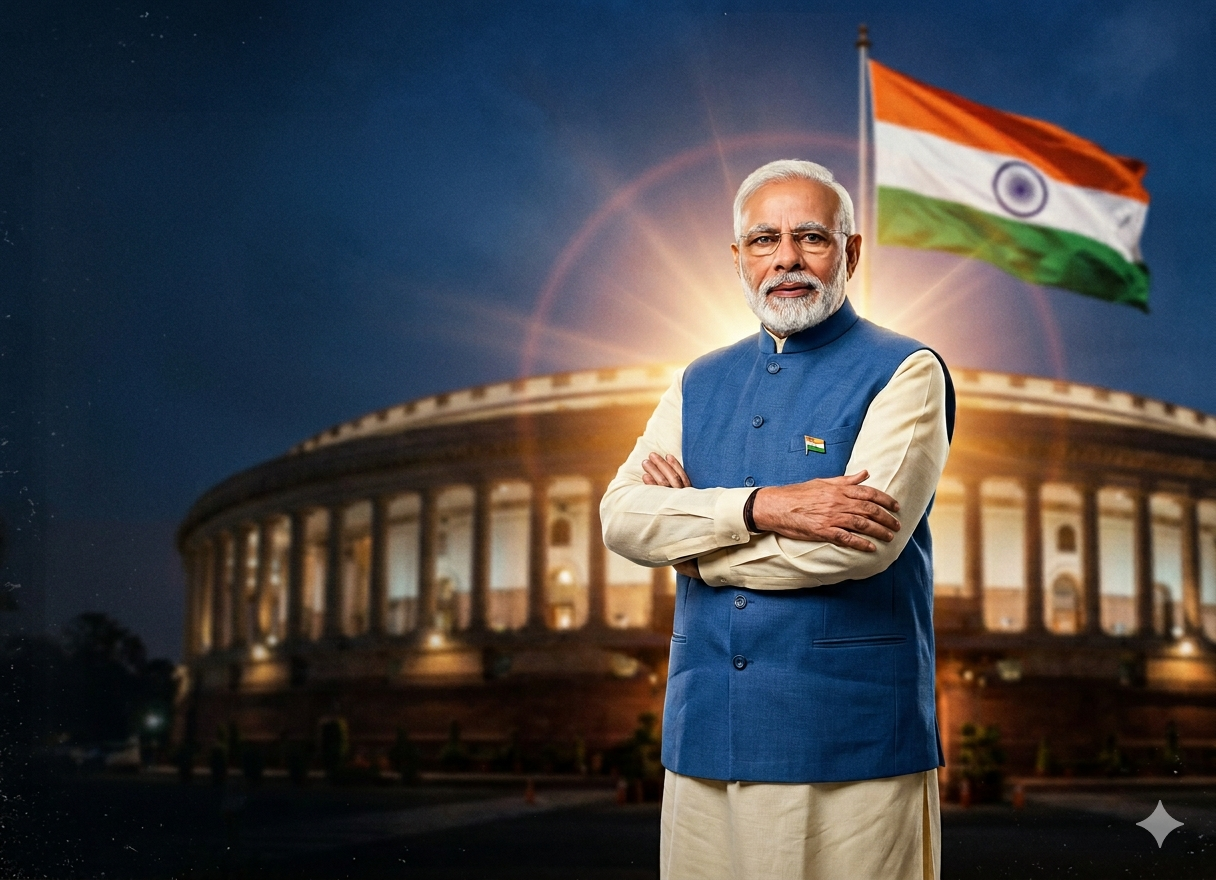
Early Life and Childhood
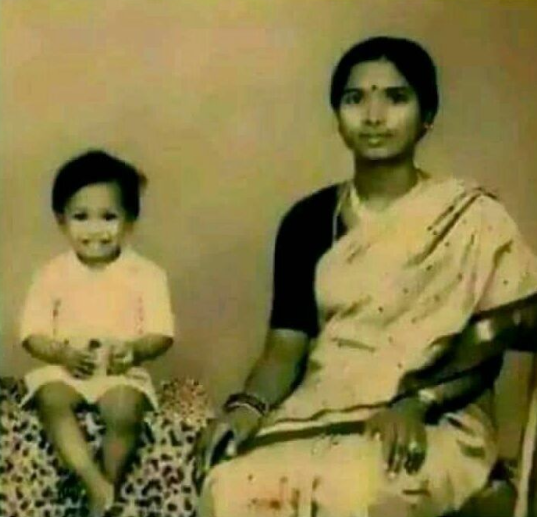
Narendra Damodardas Modi was born on 17 September 1950 in Vadnagar, Gujarat, into a humble and financially weak family. He was the third of six children born to Damodardas Mulchand Modi and Hiraben Modi. His father ran a small tea stall at Vadnagar railway station, where young Narendra Modi helped his father serve tea to passengers. These early experiences shaped his personality, discipline, and strong connection with ordinary citizens. Teachers described him as an average student but an excellent debater and theatre enthusiast, which later helped him become a powerful public speaker.
During his childhood, Narendra Modi developed a deep interest in nationalism and social service. At the age of 8 years, he joined RSS (Rashtriya Swayamsevak Sangh) where he learned discipline, leadership, and patriotism. This early exposure played a crucial role in shaping his future political journey and leadership style.
Education and Early Struggles
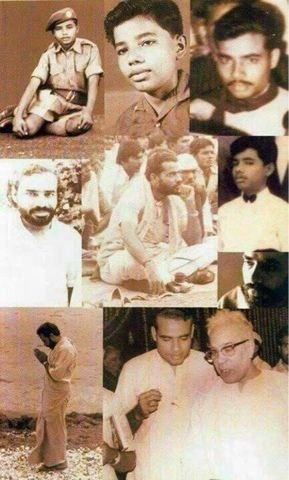
Narendra Modi completed his higher secondary education in Vadnagar in 1967. After finishing school, he left home and traveled across India for several years. During this period, he visited Himalayan regions, Ramakrishna Ashram, and spiritual centers, searching for purpose and life direction.
Later, he completed his Bachelor’s degree in Political Science and then earned a Master’s Degree in Political Science from Gujarat University. His education in politics strengthened his understanding of governance and leadership.
Entry into Politics
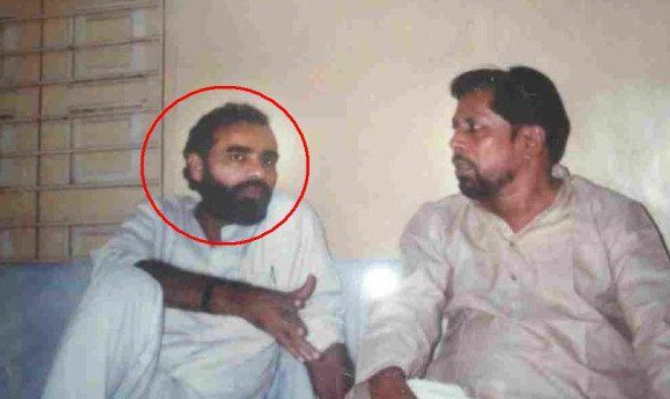
Narendra Modi started his political career as a full-time RSS pracharak in the early 1970s. His organizational skills and strategic thinking helped him rise quickly in the ranks. In 1987, Narendra Modi officially joined the Bharatiya Janata Party (BJP).
Within a short time, he became General Secretary of BJP Gujarat Unit. He played a major role in strengthening BJP in Gujarat and later at the national level. His strategic planning during elections helped BJP achieve significant success in the 1995 Gujarat Assembly Elections.
Gujarat Chief Minister (2001–2014)
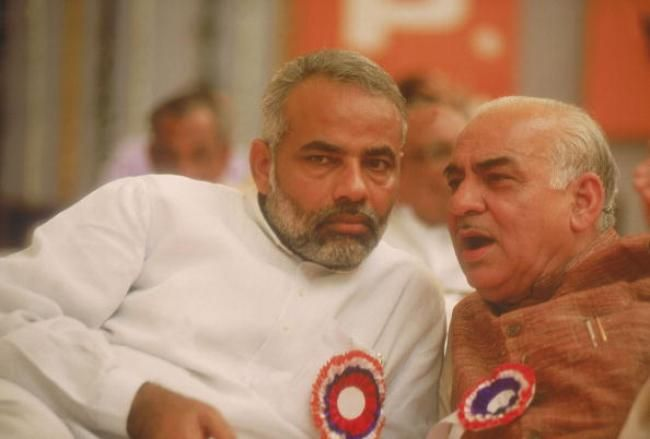
In 2001, Narendra Modi became Chief Minister of Gujarat, marking a turning point in his career. During his tenure:
- Gujarat saw rapid economic growth
- Infrastructure development increased
- Industrial investments grew significantly
- Gujarat became known as “Gujarat Development Model”
Under his leadership, BJP won 2002, 2007, and 2012 Gujarat Elections, strengthening Modi’s position as a national leader.
Becoming Prime Minister of India (2014)
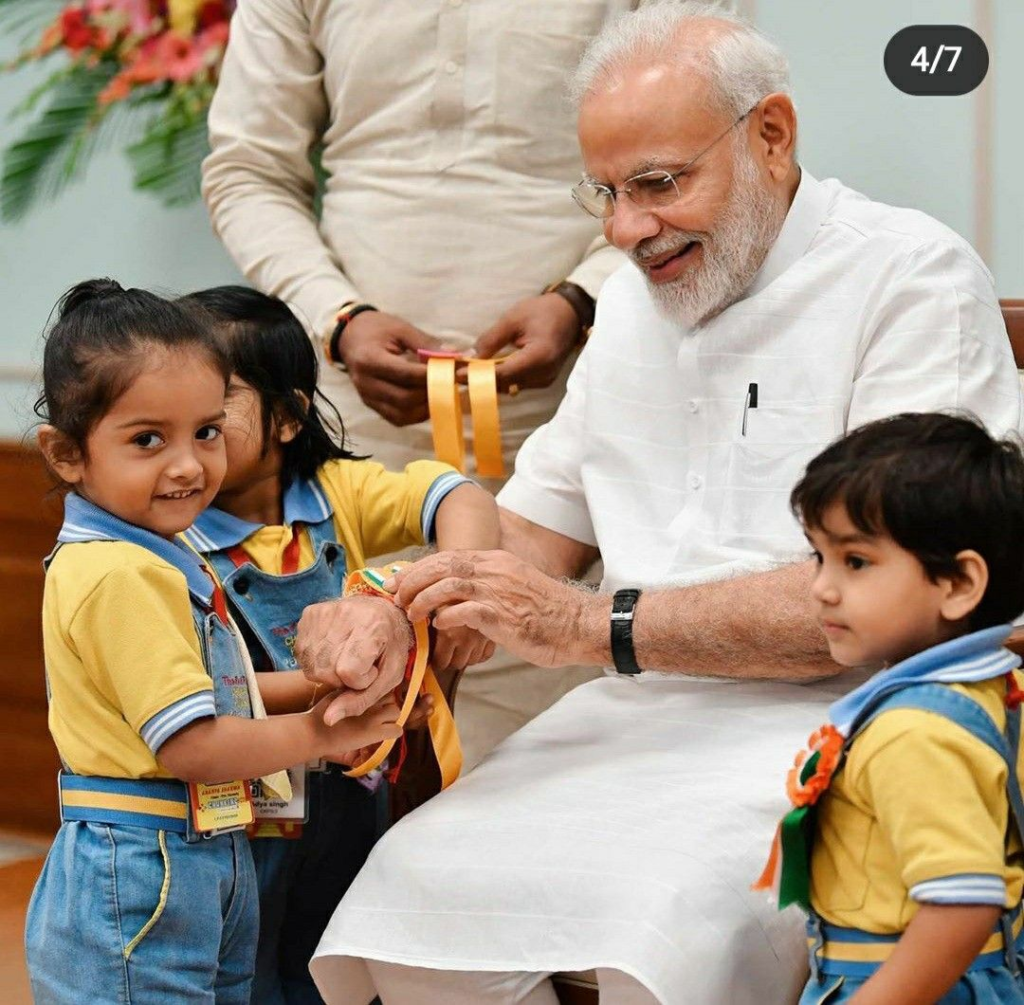
In 2014, Narendra Modi led BJP to a historic victory in General Elections and became the 14th Prime Minister of India. His campaign slogan “Achhe Din Aane Wale Hain” became extremely popular across India.
Later victories:
- 2014 — First Time Prime Minister
- 2019 — Second Term (Huge Majority)
- 2024 — Third Term (NDA Alliance Victory)
Major Policies and Achievements
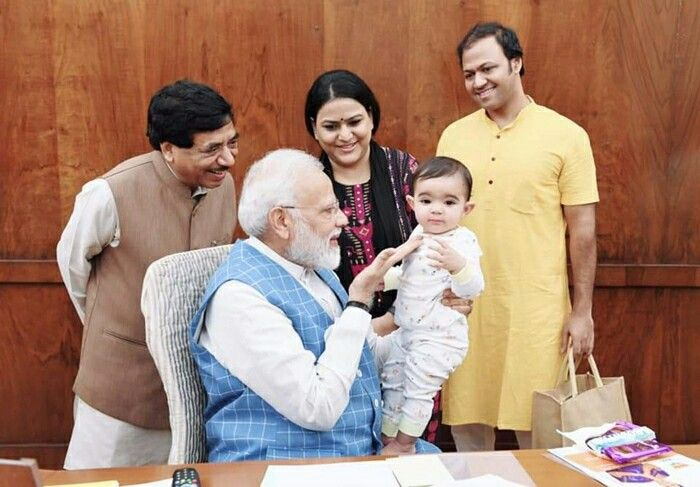
Narendra Modi introduced several major reforms:
- Digital India
- Make in India
- Swachh Bharat Mission
- Startup India
- UPI Digital Payments
- GST Implementation
- Article 370 Removal
- Infrastructure Development (Highways, Airports, Railways)
These policies transformed India’s digital economy and infrastructure development.
Global Recognition
Narendra Modi is considered:
- One of the most powerful leaders in the world
- Most followed world leader on social media
- Strong global diplomatic leader
He has met leaders from USA, Russia, Japan, UAE, Europe, strengthening India’s international position.
Personal Life
- Wife: Jashodaben Modi
- Religion: Hindu
- Lifestyle: Simple and disciplined
- Known for: Yoga, Meditation, Hard Work
🇮🇳 नरेंद्र मोदी बायोग्राफी
शुरुआती जीवन
नरेंद्र मोदी का जन्म 17 सितंबर 1950 को वडनगर, गुजरात में एक साधारण परिवार में हुआ। उनके पिता रेलवे स्टेशन पर चाय बेचते थे और नरेंद्र मोदी बचपन में उनकी मदद करते थे। बचपन से ही मोदी में नेतृत्व क्षमता और देशभक्ति की भावना थी।
शिक्षा
मोदी ने गुजरात यूनिवर्सिटी से Political Science में MA किया। पढ़ाई के बाद उन्होंने कई वर्षों तक भारत भ्रमण किया और आध्यात्मिक जीवन को समझा।
राजनीतिक सफर
- RSS से शुरुआत
- BJP जॉइन (1987)
- गुजरात मुख्यमंत्री (2001–2014)
- भारत के प्रधानमंत्री (2014–अब तक)
बड़ी उपलब्धियां
- 3 बार प्रधानमंत्री
- डिजिटल इंडिया
- मेक इन इंडिया
- स्वच्छ भारत मिशन
- UPI डिजिटल पेमेंट क्रांति
क्यों सबसे ज्यादा सर्च होते हैं
- मजबूत नेतृत्व
- बड़े फैसले
- ग्लोबल पहचान
- गरीब परिवार से प्रधानमंत्री बनने की कहानी

Leave a Reply