



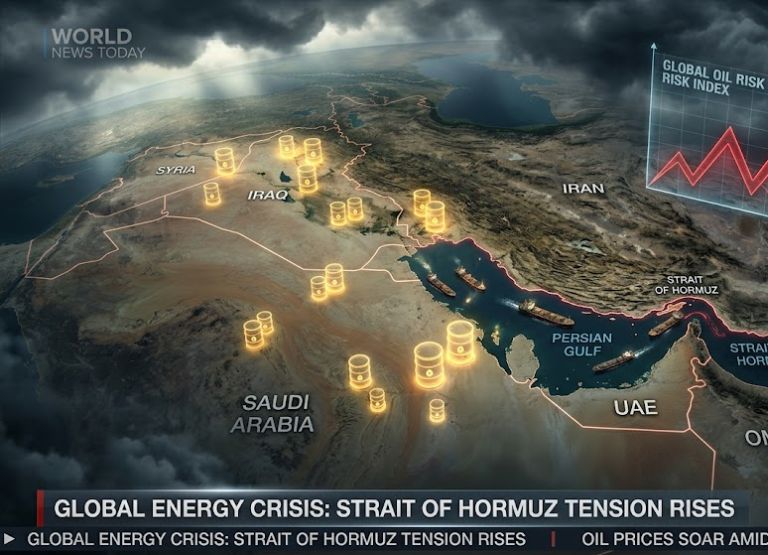
Global oil prices have started rising again in 2026, creating concerns for both developed and developing nations. The sudden surge is mainly due to geopolitical tensions, supply disruptions, and increasing demand across major economies.
According to energy experts, fluctuations in crude oil prices directly impact inflation, transportation costs, and overall economic stability. Countries like India, which rely heavily on oil imports, are expected to feel the pressure the most.
Organizations such as the Organization of the Petroleum Exporting Countries are closely monitoring supply levels and production strategies. Any change in output by major oil-producing nations can significantly affect global prices.
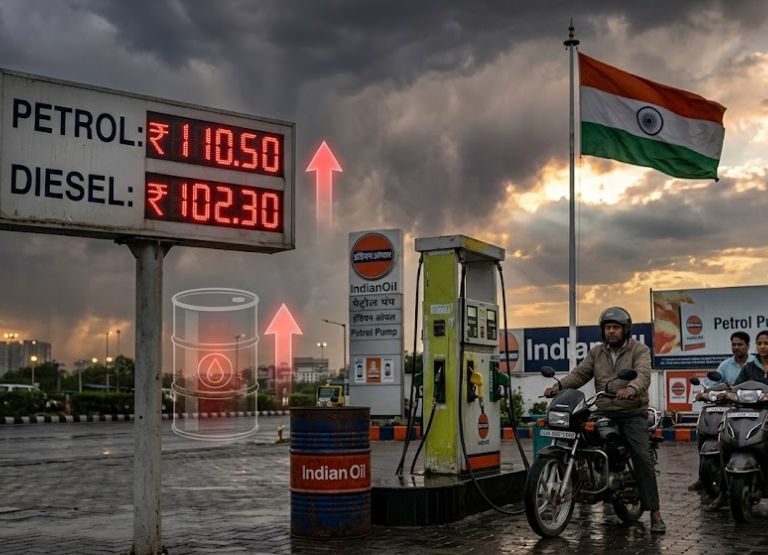
In India, rising fuel prices could lead to higher costs of goods and services. This may impact common people’s daily expenses, including food, travel, and electricity. Economists warn that prolonged price hikes could slow down economic growth.
At the same time, some experts see this as an opportunity to accelerate the shift towards renewable energy. Governments are now focusing more on electric vehicles, solar power, and alternative energy sources to reduce dependence on oil.
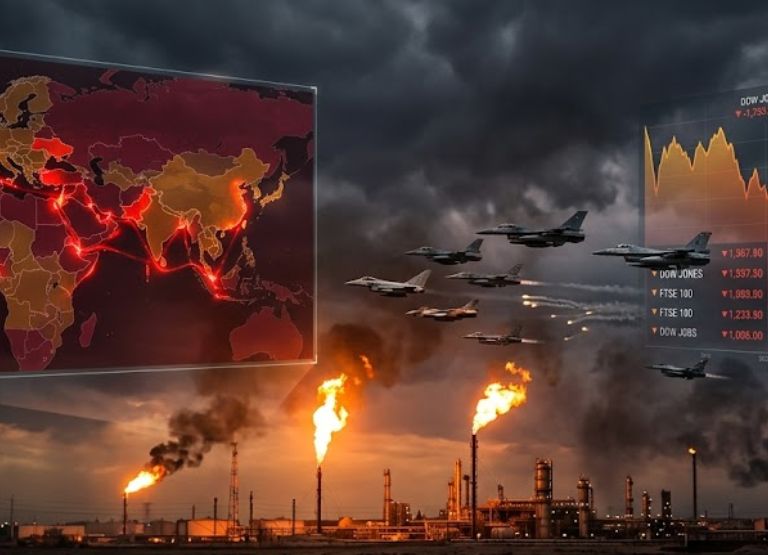
Global markets are also reacting to these changes, with investors keeping a close watch on oil trends. Stock markets often fluctuate based on energy prices, making this a crucial factor for financial planning.
In conclusion, the rise in oil prices is a major global concern in 2026. Its impact will be felt across economies, and how countries respond will shape future energy strategies.








Leave a Reply