


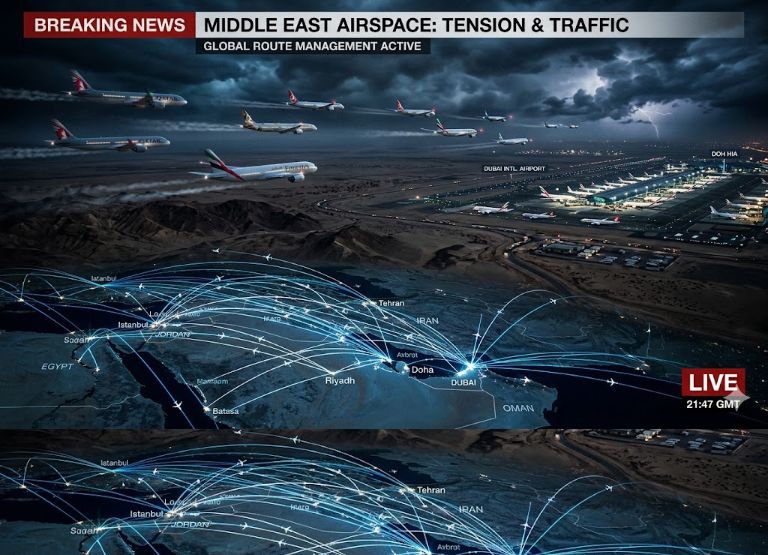
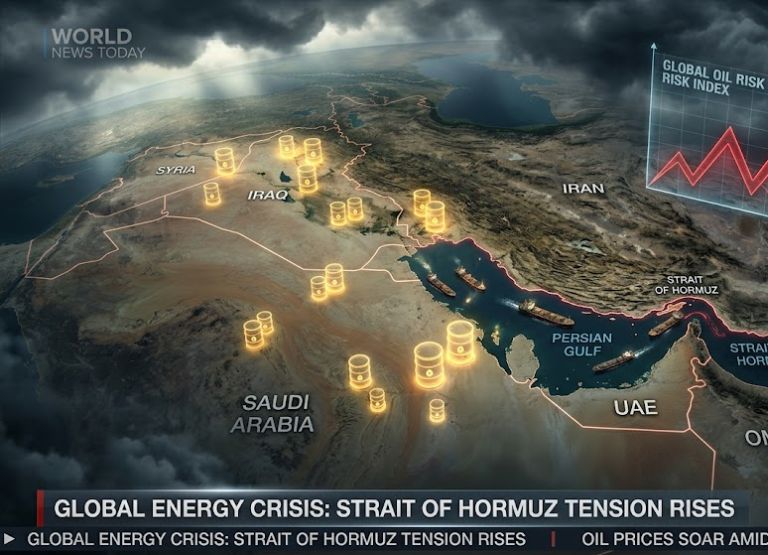
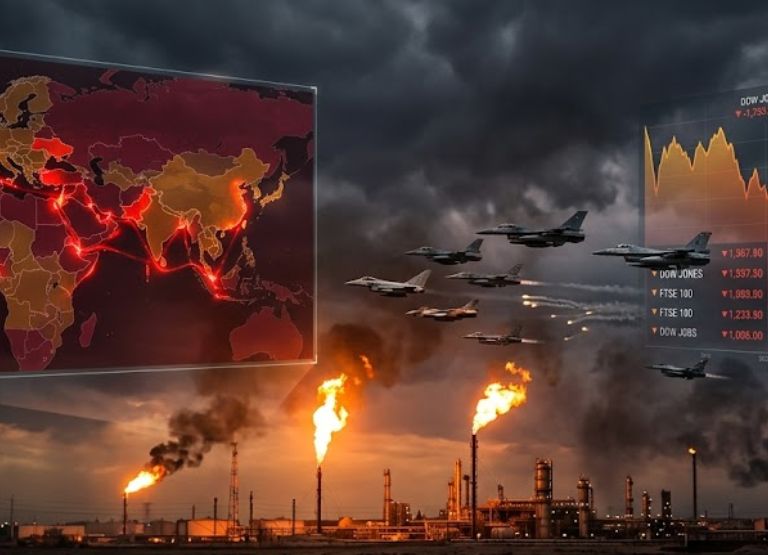
Rising tensions in the Middle East have started impacting international travel, with several airlines issuing urgent advisories for passengers. As geopolitical instability increases across key regions, major airlines have begun adjusting routes, delaying flights, and warning travelers to stay updated with real-time flight information.
This sudden development has created uncertainty among travelers, especially those flying between India and Middle Eastern countries such as the UAE, Saudi Arabia, Qatar, and Oman. Aviation authorities are closely monitoring the situation to ensure passenger safety while minimizing disruptions.
With thousands of passengers traveling daily through Middle East airspace, the impact is expected to grow if tensions continue to escalate.
Why Flights Are Being Affected
The Middle East is one of the busiest aviation corridors in the world. Many international flights from India to Europe, Africa, and North America pass through this region.
Due to rising tensions:
- Airlines are avoiding certain airspaces
- Flight routes are being changed
- Travel times are increasing
- Fuel costs are rising
These factors are forcing airlines to issue advisories and update passengers.
Airlines Issue Travel Advisory
Several airlines have asked passengers to:
- Check flight status before leaving for airport
- Reach airport early
- Monitor airline notifications
- Stay prepared for delays
Airlines are also offering:
- Flexible rescheduling
- Travel updates
- Customer support assistance
Passengers traveling to Middle East destinations are advised to stay cautious.
Countries Most Affected
Flights to and from the following countries may be affected:
- United Arab Emirates
- Saudi Arabia
- Qatar
- Oman
- Kuwait
- Bahrain
Additionally, connecting flights to Europe and North America may also see delays.
Impact on Indian Travelers
India has a large number of travelers flying to the Middle East daily. These include:
- Business travelers
- Workers
- Tourists
- Students
Flight disruptions could impact thousands of passengers.
Airlines Adjust Flight Routes
To ensure safety, airlines are:
- Avoiding conflict zones
- Taking longer routes
- Increasing fuel reserves
- Changing schedules
These adjustments may increase travel time by:
- 30 minutes
- 1 hour
- Sometimes longer
Passengers should expect delays.
Aviation Authorities Monitoring Situation
Aviation regulators are closely watching developments. They are working with airlines to:
- Ensure passenger safety
- Avoid major disruptions
- Maintain smooth operations
Airports are also coordinating with airlines to manage delays.
Ticket Prices May Increase
Due to longer routes and increased fuel consumption:
- Airfare prices may rise
- Last-minute tickets may become expensive
- Travel demand may shift
Travel experts suggest booking tickets early.
Travel Industry Impact
The travel industry may face:
- Reduced bookings
- Delayed schedules
- Increased operational costs
Tour operators are advising travelers to remain flexible.
What Passengers Should Do
Travelers are advised to:
- Check airline websites
- Monitor travel alerts
- Arrive early at airport
- Keep alternative travel plans
Being prepared can reduce inconvenience.
Global Impact
Since Middle East airspace connects major regions:
- Europe flights affected
- Asia flights affected
- Africa flights affected
This makes the situation globally important.
Experts Warn of Possible Escalation
Experts say if tensions increase:
- More flight cancellations possible
- Major delays expected
- Ticket prices may surge
However, airlines are prepared to manage the situation.
Conclusion
Rising Middle East tensions have started impacting global aviation. Airlines are taking precautionary steps to ensure passenger safety while minimizing disruptions. Travelers are advised to stay informed and remain flexible.
If tensions continue, flight disruptions may increase in coming days. Passengers should regularly check flight status before travel.






Leave a Reply