


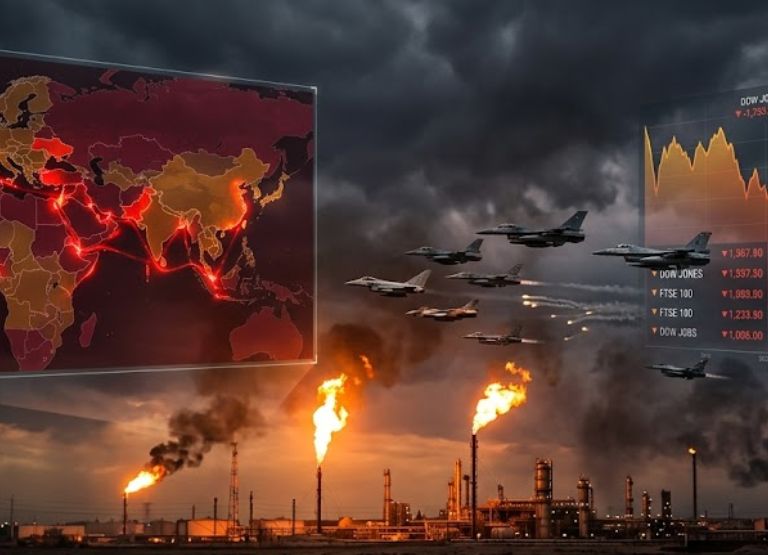
The Middle East conflict 2026 has become one of the most significant global developments affecting economies, politics, and financial markets worldwide. Increasing tensions between regional powers and global superpowers have created uncertainty in oil supply chains, triggering fluctuations in crude oil prices and raising concerns about inflation, economic slowdown, and potential geopolitical instability.
Rising Middle East Tensions Impact Global Economy
The Middle East geopolitical tension has escalated over the past few weeks, with military movements, diplomatic warnings, and strategic positioning by major nations. Countries heavily dependent on oil imports, including India, China, and European nations, are closely monitoring developments as oil supply disruptions could significantly impact domestic economies.
Experts believe that the oil price surge 2026 is directly linked to fears of supply disruption from key oil-producing nations in the Middle East. The region accounts for nearly one-third of global oil production, making it extremely sensitive to geopolitical developments.
As tensions increase, global markets react quickly. Investors often shift funds into safer assets such as gold and government bonds, which further affects stock markets and currencies.
Oil Prices Rise Amid Supply Concerns
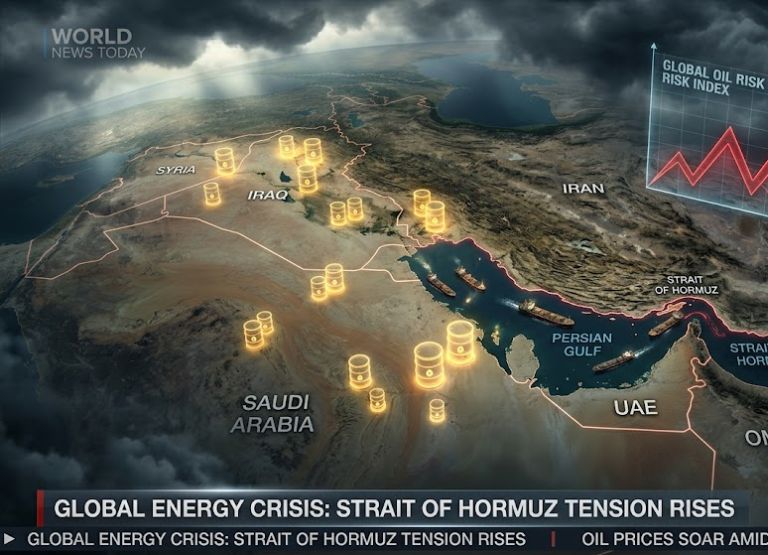
The global oil prices today have shown upward momentum as traders anticipate possible supply chain disruptions. Shipping routes such as the Strait of Hormuz, a critical oil transport route, remain under close surveillance by global defense forces.
A disruption in this region could affect nearly 20% of global oil supply, which explains why even small tensions in the Middle East can have major consequences worldwide.
The oil market volatility 2026 is expected to continue if diplomatic solutions are not reached soon. Analysts warn that higher oil prices could lead to increased transportation costs, higher fuel prices, and inflation in everyday goods.
Impact on India and Asian Economies
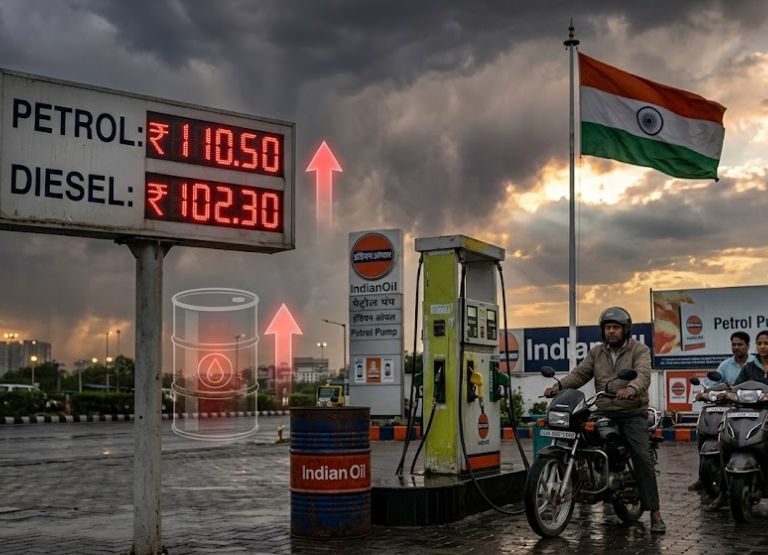
India, being one of the largest oil importers, is particularly vulnerable to rising oil prices. The India fuel price news 2026 indicates that higher crude oil costs may impact petrol and diesel prices in the coming weeks.
Higher fuel prices can affect:
- Transportation costs
- Food prices
- Manufacturing costs
- Electricity prices
This chain reaction may lead to inflation pressure across the economy.
Asian economies including Japan and South Korea are also monitoring developments closely, as they rely heavily on Middle Eastern oil imports.
Stock Markets React to Global Tensions
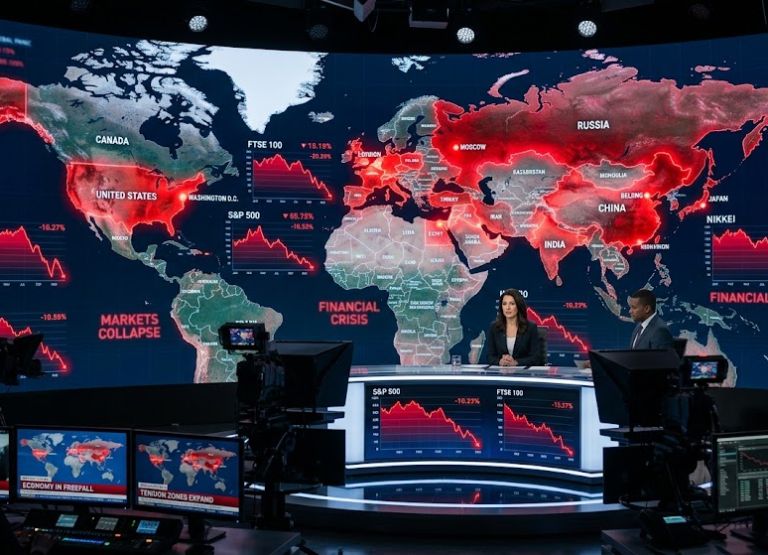
The global stock market news 2026 shows increased volatility as investors react to geopolitical uncertainty. Financial markets typically dislike uncertainty, and geopolitical risks often lead to sharp movements in stocks.
Technology stocks, energy stocks, and defense companies are seeing mixed performance. Energy companies often benefit from rising oil prices, while airlines and logistics companies may face losses due to increased fuel costs.
Investors are also shifting funds toward gold, which is traditionally considered a safe investment during uncertain times.
Gold Prices Rise as Safe Haven Investment
The gold price news 2026 indicates that investors are moving towards safe-haven assets. Gold prices often rise during global tensions, economic crises, or geopolitical conflicts.
Experts predict gold demand may continue increasing if tensions remain unresolved. This could also influence currency markets and interest rates globally.
Global Diplomatic Efforts Continue
International leaders are working to prevent further escalation. Several diplomatic meetings and negotiations are being planned to reduce tensions and maintain stability.
The global diplomacy news 2026 suggests that major countries are pushing for peaceful solutions to avoid economic disruptions and prevent a wider conflict.
Diplomatic talks may help calm markets if positive outcomes emerge.
Energy Market Outlook
The energy market outlook 2026 remains uncertain. Analysts predict oil prices could continue fluctuating depending on political developments in the Middle East.
Key factors influencing oil prices:
- Military developments
- Diplomatic negotiations
- Oil supply disruptions
- Global demand changes
- Economic growth projections
These factors will determine how long volatility continues.
Impact on Global Inflation
Rising oil prices often contribute to inflation worldwide. Transportation costs increase, which affects supply chains and consumer goods prices.
The inflation news 2026 suggests that many countries are already dealing with inflation challenges, and higher oil prices may worsen the situation.
Central banks may also adjust interest rates depending on inflation levels, which could further impact global financial markets.
What Happens Next?
Experts believe the next few weeks will be crucial. If diplomatic talks succeed, markets may stabilize. However, if tensions escalate further, oil prices and global markets may experience more volatility.
Governments worldwide are closely monitoring developments and preparing contingency plans.
Conclusion
The Middle East conflict 2026 has already started influencing global markets, oil prices, and economic stability. Rising tensions are pushing investors toward safe assets, while governments prepare for potential inflation and supply disruptions.
As diplomatic talks continue, the world watches closely, hoping for stability and peaceful resolution.








Leave a Reply