


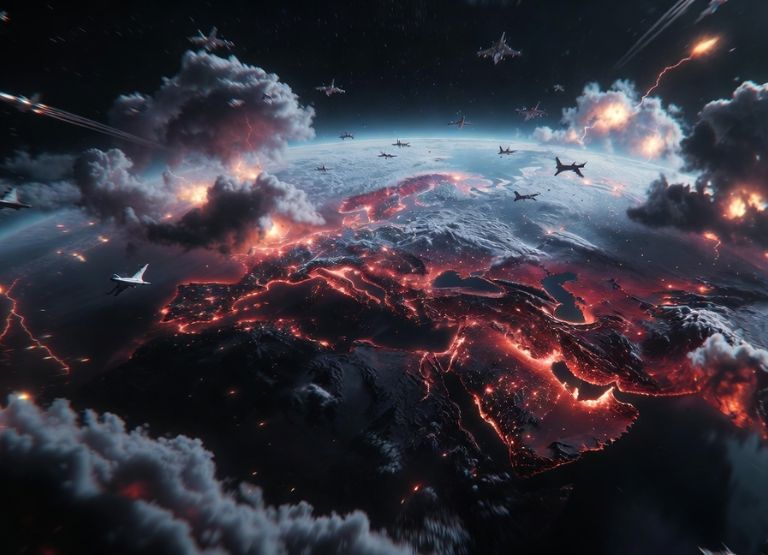
In 2026, global tensions are once again making headlines as conflicts in multiple regions continue to escalate. From geopolitical disputes to military stand-offs, the world is witnessing a period of uncertainty that could have long-term consequences.
The United Nations has recently expressed deep concern over the rising instability. Officials have urged countries to avoid further escalation and prioritize diplomatic solutions. However, the situation on the ground suggests that tensions remain high, especially in sensitive regions.
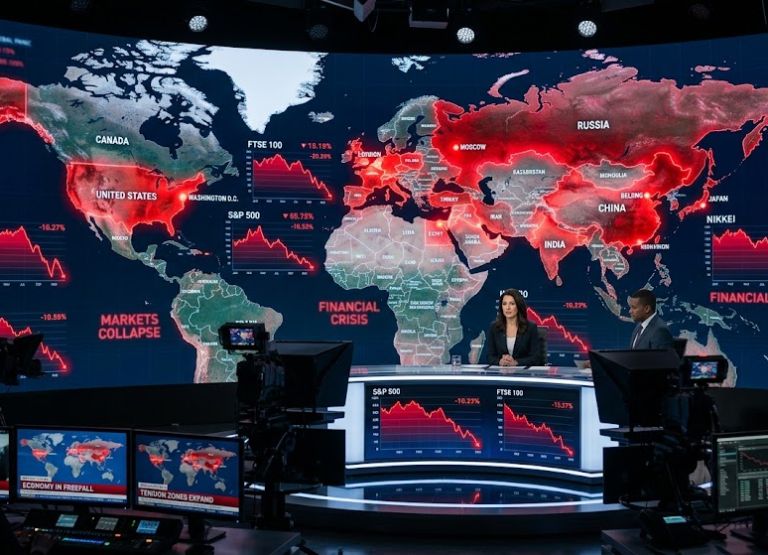
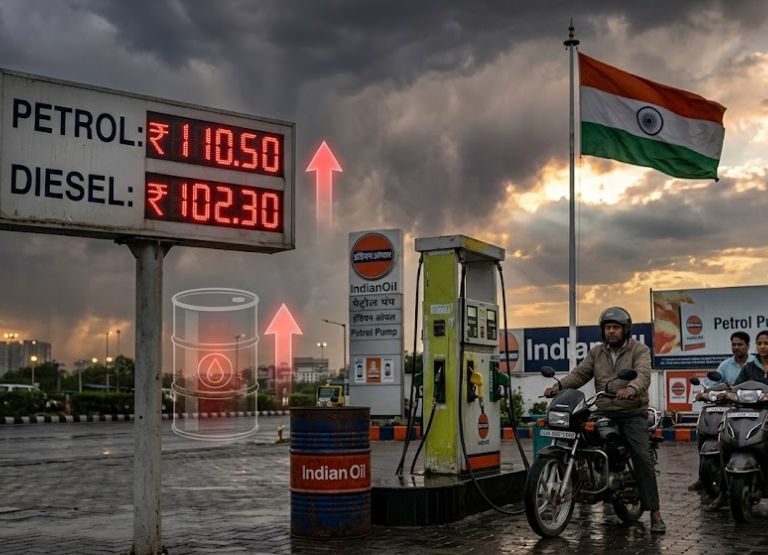
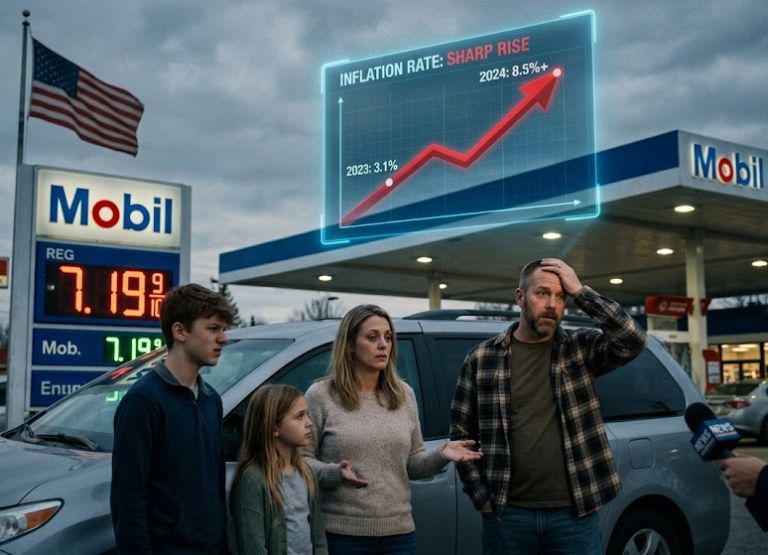
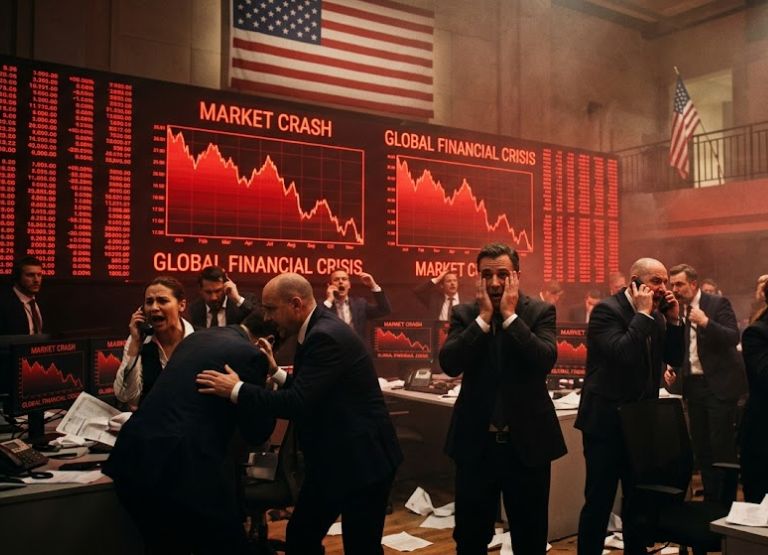
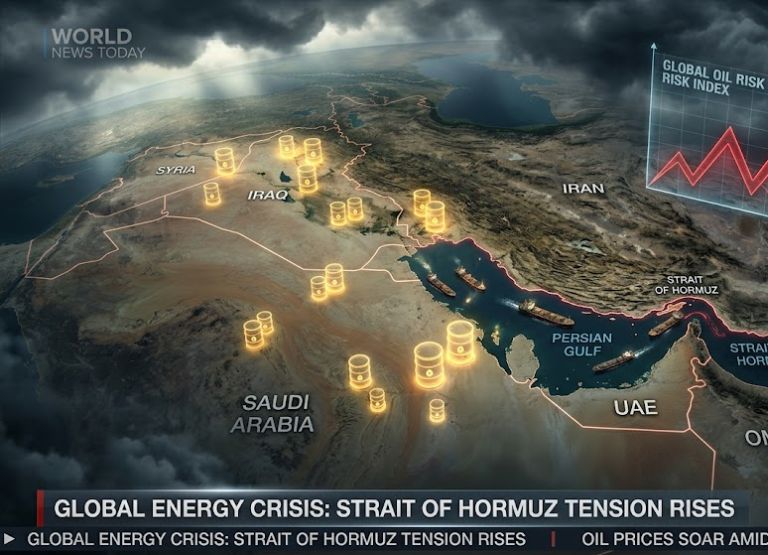
One of the biggest concerns is the potential impact on the global economy. Ongoing conflicts often disrupt supply chains, increase oil prices, and create uncertainty in international markets. Experts warn that if the situation worsens, it could slow down economic growth worldwide.
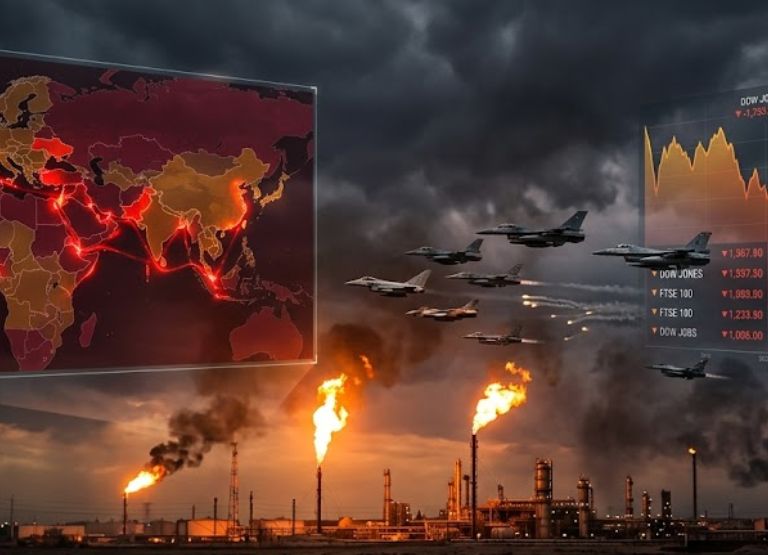
Another major issue is security. Countries are increasing their defense budgets and strengthening alliances. This has led to a rise in military activities, raising fears of a larger conflict. Analysts believe that maintaining peace will require strong international cooperation and timely intervention.
At the same time, global organizations are trying to mediate and prevent further escalation. Diplomatic talks and emergency meetings are being held to find peaceful solutions. The role of institutions like the United Nations is becoming more important than ever.
In conclusion, the current global tensions are a serious concern for both economic stability and international peace. The coming months will be crucial in determining whether the world moves towards conflict or cooperation.





Leave a Reply