


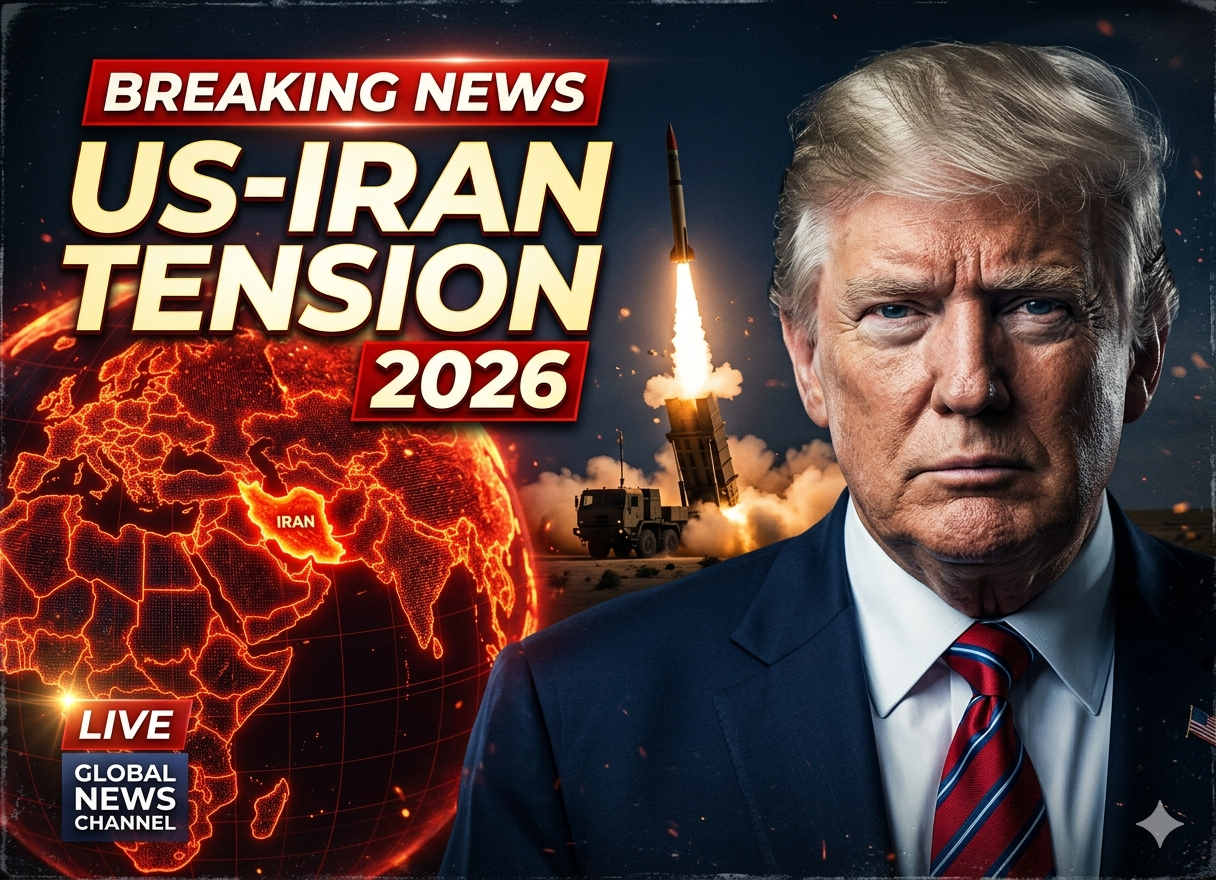
The global security situation has become increasingly tense as multiple wars continue across different regions. The biggest escalation in recent days has come from the Middle East, where fighting between Israel, Iran, and Hezbollah has intensified, raising fears of a wider regional conflict.
Military strikes, missile attacks, and rising oil prices have made this one of the most serious geopolitical crises of 2026.
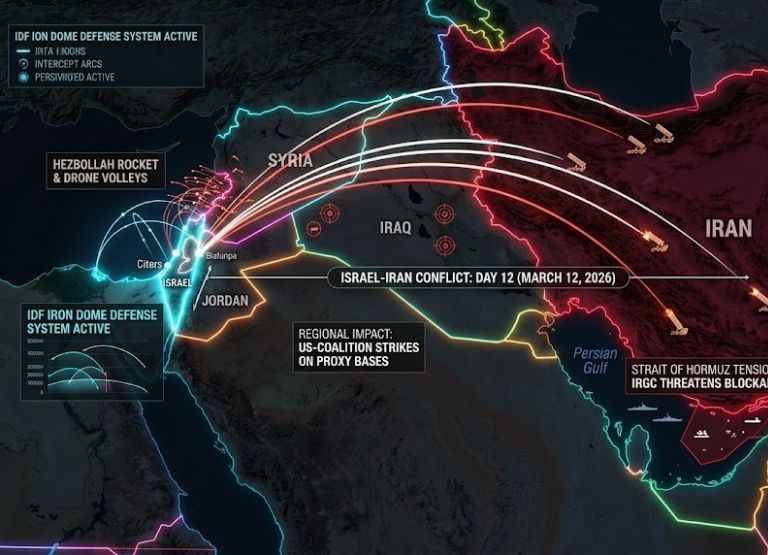
Israel–Iran War Intensifies
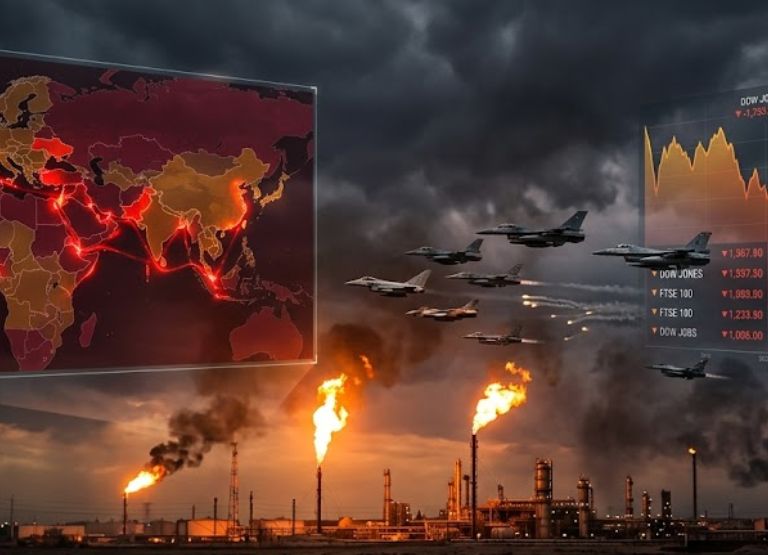
The ongoing war between Israel and Iran has entered a dangerous phase after the United States and Israel launched large-scale strikes on Iranian military targets. In response, Iran and its allied groups have carried out missile and drone attacks across the Middle East.
Reports suggest that the air strikes are among the largest military operations in the region in recent years, with both sides continuing to exchange attacks. Israel has declared a nationwide emergency and closed schools and public spaces due to the threat of missile strikes.
The conflict has already caused heavy casualties and widespread destruction in several areas.
Hezbollah Joins the War Against Israel
The conflict expanded further when Hezbollah, a powerful Lebanese militant group, launched rocket and drone attacks toward northern Israel. Israel responded with major airstrikes on southern Lebanon and the suburbs of Beirut.
According to reports, hundreds of people have been killed and hundreds of thousands displaced as the fighting intensifies. Israeli military officials have warned that ground operations in Lebanon could also begin if the situation worsens.
Oil Prices Surge as Gulf Shipping Disrupted
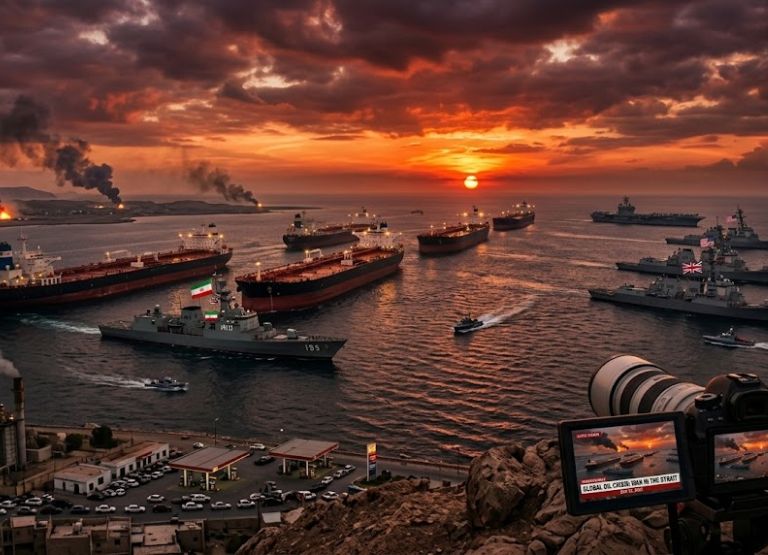
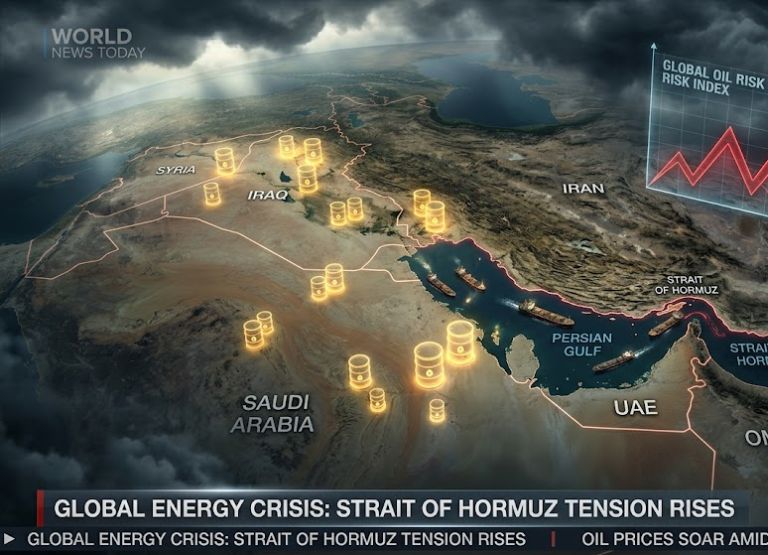
The war has also shaken global energy markets. Iranian attacks and military operations near the Strait of Hormuz, a key global oil shipping route, have disrupted energy supplies.
Because of the crisis, the International Energy Agency announced the release of 400 million barrels of emergency oil reserves, the largest coordinated release in history.
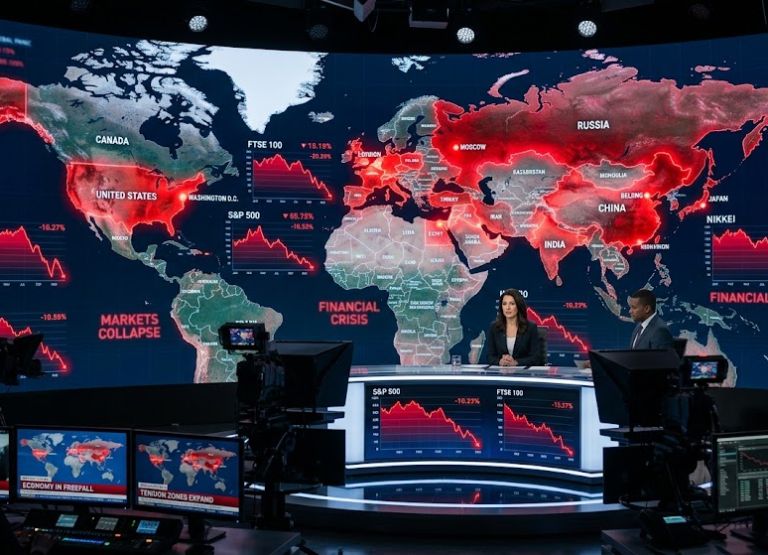
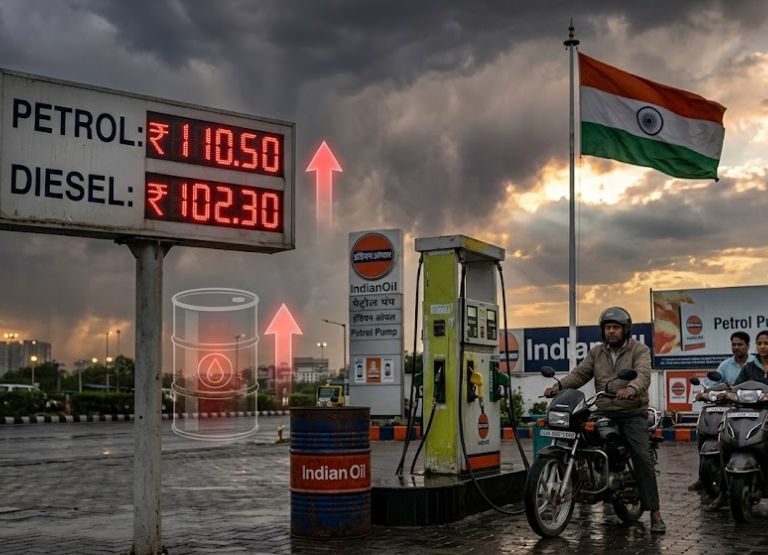
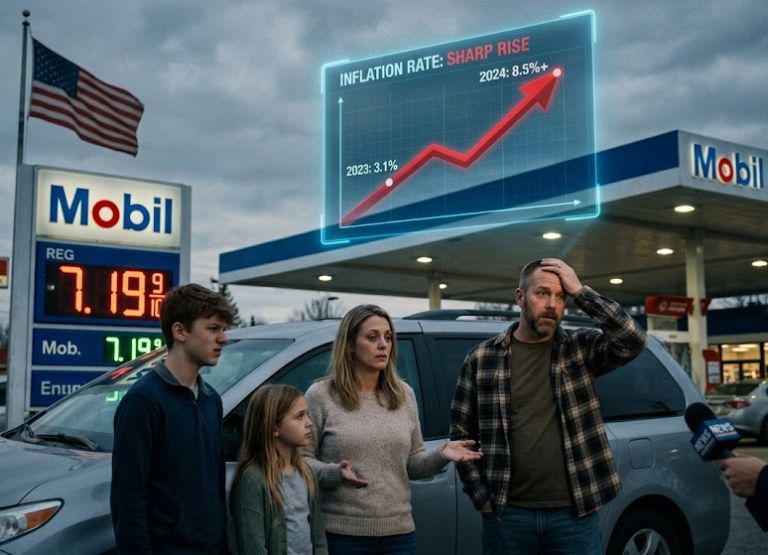
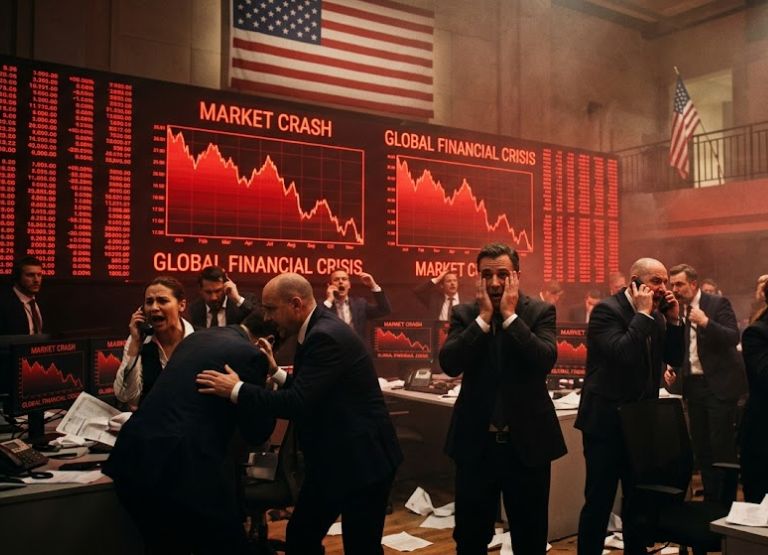
Oil prices surged nearly 40%, raising fears of inflation and economic instability worldwide.
Russia-Ukraine War Still Ongoing
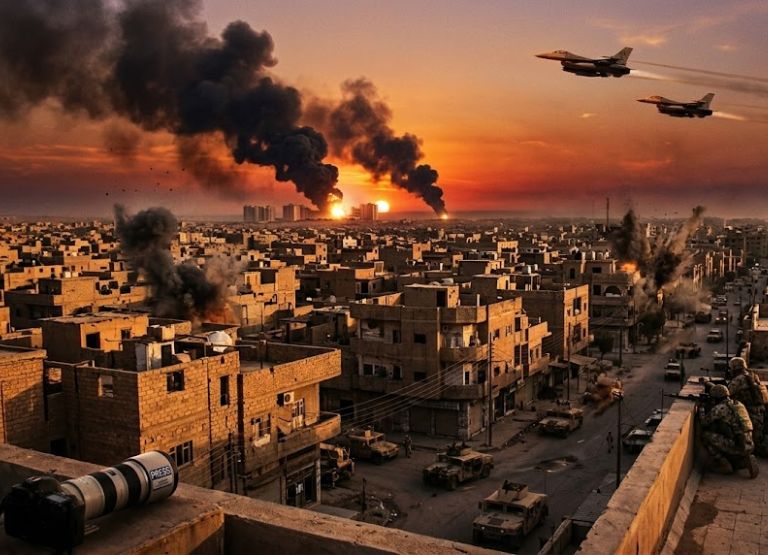
While the Middle East conflict dominates headlines, the war between Russia and Ukraine continues in Eastern Europe. Recent reports say Russia accused Ukraine of launching missile strikes on the Russian city of Bryansk, calling it a “terrorist attack.”
The conflict, which began in 2022, remains one of the deadliest wars in Europe since World War II.
Could This Lead to a Larger Global Conflict?
Experts warn that multiple conflicts happening simultaneously could increase global instability. The Middle East crisis, the Russia-Ukraine war, and rising tensions between major powers have created fears that regional wars could escalate further.
However, international organizations and world leaders are still pushing for diplomatic negotiations to prevent a broader war.
Conclusion
The current global war situation in 2026 shows how fragile international stability has become. The Israel-Iran conflict, Hezbollah attacks, and ongoing Russia-Ukraine war are reshaping global politics, energy markets, and security strategies.
If diplomatic solutions are not reached soon, analysts warn that the conflicts could expand further and have long-term consequences for the world.



Leave a Reply