


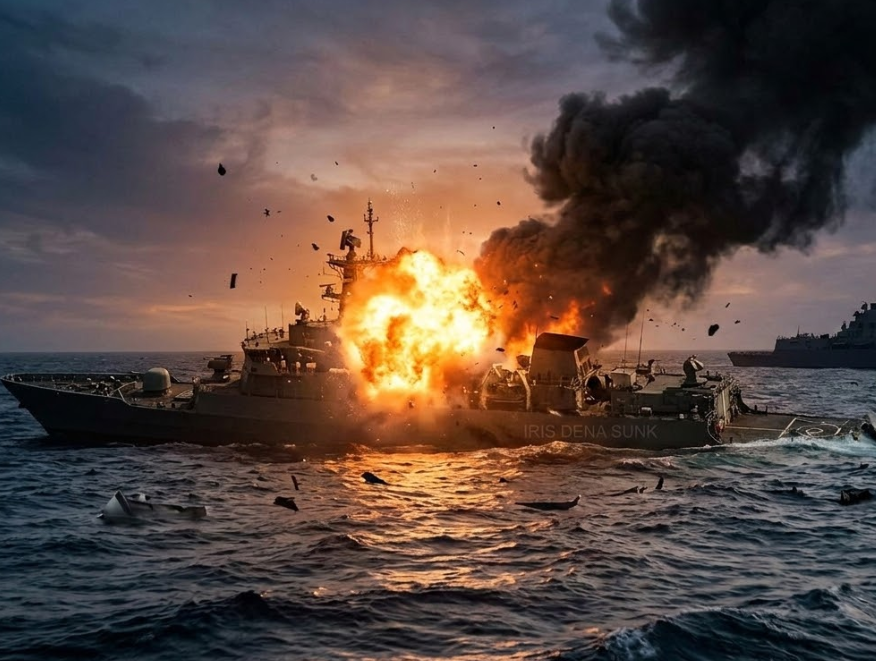
Detailed analysis of the historic US-Iran naval engagement where a US attack submarine used a torpedo to sink the Iranian frigate IRIS Dena.
The Historic Torpedo Strike
In a dramatic escalation of geopolitical tensions, a United States Navy nuclear-powered attack submarine (SSN) fired a heavy-weight torpedo, sinking the Iranian frigate IRIS Dena (75) in the Indian Ocean. The incident occurred on March 5, 2026, marking the first time a US submarine has successfully engaged and sunk a surface combatant using a torpedo since World War II.
Context of the Incident
The IRIS Dena, a relatively modern Mowj-class frigate, had recently completed a highly publicized deployment to the Indian Naval celebration ‘Milam,’ positioning itself as a key vessel in Iran’s attempts to project naval power beyond the Persian Gulf. According to Pentagon sources, the US vessel was conducting “routine surveillance” in international waters when it detected an “imminent threat” originating from the Iranian warship. While specific details about the engagement remain classified, defense analysts suggest the IRIS Dena might have been tracking a US strategic asset or conducting aggressive maneuvers.
Tactical Significance and Rare Combat Footage
The attack utilizes a Mark 48 Advanced Capability (ADCAP) torpedo, a wire-guided, acoustic-homing weapon designed to detonate underneath the keel of a ship, breaking its back. What sets this event apart is the release of rare, thermal image combat footage by the US Department of Defense. The video, widely circulated on social media, shows the IRIS Dena listing heavily after a violent underwater explosion, followed by a rapid collapse of its superstructure. The release of this footage is seen as a deliberate strategic message, demonstrating US technical superiority.
Iranian Response and Regional Consequences
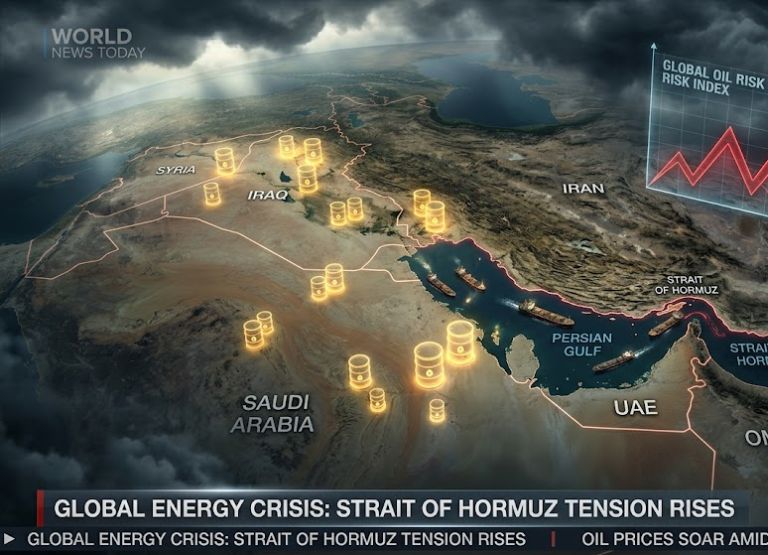
Iran has officially acknowledged the loss of the IRIS Dena. A spokesperson for the Islamic Republic of Iran Navy (IRIN) condemned the sinking as an “unprovoked act of piracy and aggression.” Iran’s Supreme Leader Ayatollah Ali Khamenei has warned that the United States will “bitterly regret” the action. Fears of retaliatory strikes by Iran’s proxies or its Islamic Revolutionary Guard Corps (IRGC) Navy against merchant shipping in strategic chokepoints, such as the Strait of Hormuz, have caused immediate disruptions in global energy markets.
This engagement fundamentally alters the maritime security architecture in the Indian Ocean, signaling that the US is willing to use its underwater capabilities to enforce red lines.





Leave a Reply